
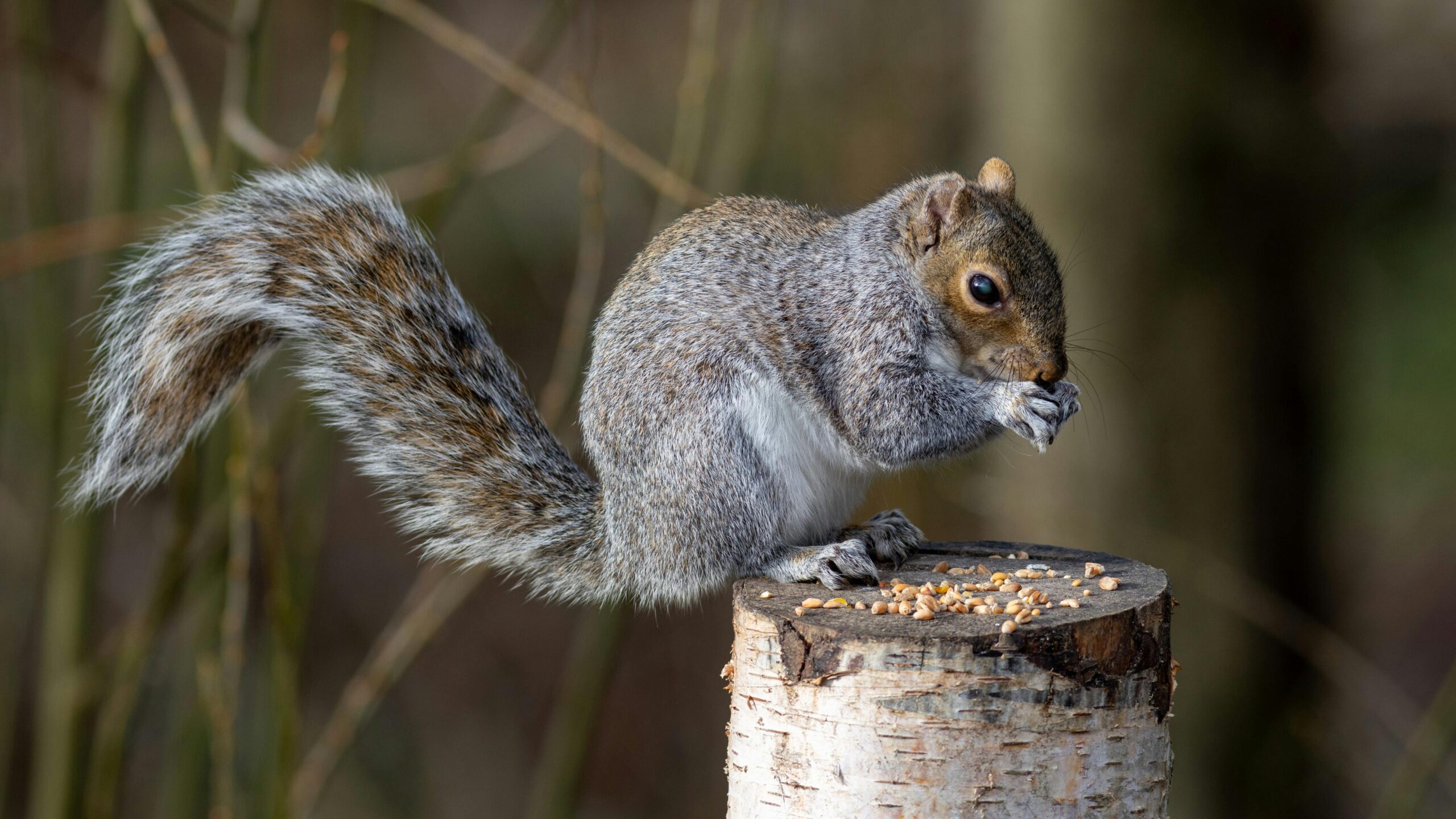
Animals don’t all eat the same way, and they never have. If you really stop and look at the world around you, it makes total sense. Some animals live where snow covers everything for months. Others survive in hot deserts where water is rare. Some hide in forests, some fly above them, some swim through oceans, and some live right next to us in our homes and streets.
Every place has different food. And every animal is built for the food in its world.
A lion on the savannah, a bird in a tree, and a rabbit in tall grass aren’t choosing meals because of preference or mood. They’re following instructions written into their bodies over thousands and thousands of years. Their teeth, their jaws, their stomachs, even how fast food moves through their system, all of it decides what they can eat.
For animals, eating isn’t about being picky. It’s about staying alive. It’s how they stay strong, fast, alert, and healthy enough to survive another day.
And when people understand how animals eat, they can take better care of them, whether those animals are wild, on farms, in shelters, or curled up on someone’s couch.
Carnivores, Herbivores, and Omnivores
Most animals fit into three big food groups.
Carnivores eat meat. Think of lions, tigers, wolves, and hawks. Their teeth are sharp like knives. Their jaws snap shut with power. Their bodies are made for chasing, catching, and tearing. Meat is easy for them to break down, so their digestive systems are short and quick.
Herbivores eat plants. Picture a cow slowly chewing grass, or a deer quietly nibbling leaves. Their teeth are flat and wide for grinding. Inside their stomachs live tiny helpful organisms that turn tough plants into energy their bodies can actually use.
Omnivores eat both. Bears, pigs, and humans belong here. Their bodies are flexible. They can switch between foods and still function well.
Generation after generation, animals slowly changed in ways that helped them survive better. Nature kept what worked.

How the Body Decides What Food Works?
An animal’s body tells its whole story.
Birds that crack seeds have thick, strong beaks.
Frogs that catch insects have long, sticky tongues.
Snakes that swallow animals whole have jaws that stretch wide and stomach acid strong enough to break down bone.
Inside the body, it’s just as different.
Cows rely on living microbes in their stomachs to turn grass into fuel.
Cats cannot live on plants. Their bodies need nutrients that only come from meat.
When animals eat the wrong things, their bodies pay the price, such as weak bones, low energy, slow growth, and illness. Food is not just food. It’s information for the body.
Pets Still Follow Nature’s Rules
Dogs, cats, birds, and rabbits may live with people now, but their bodies still remember where they came from.
Dogs came from wolves. They still need protein.
Rabbits need constant fibre from hay or their teeth and digestion suffer.
Birds need the right balance of food or their feathers and energy fade.
That’s why modern pet food is carefully designed. Experts measure everything: protein, fat, vitamins, and minerals to match what animals actually need. In today’s pet industry, one recipe might be made by a single factory and sold under different brand names. This is called white label dog food, and it allows safe, tested nutrition to reach more people without every brand running its own factory.
Some Animals Are Extremely Specific
Some animals are very picky, not by choice, but by biology.
Koalas live on eucalyptus leaves.
Pandas eat bamboo almost all day.
Hummingbirds survive on nectar for fast energy.
Zoos and wildlife centres study these diets closely. When animals don’t get what their bodies expect, their health drops fast. Immune systems weaken. Lifespans shorten. That’s why animal nutrition is a real science and a serious one.
Why This Actually Matters
Knowing how animals eat changes how we treat them. It helps people:
- Choose better pet food
- Protect natural habitats
- Care for animals more responsibly
- Understand how bodies adapt to environments
When an animal refuses certain food, it’s not being stubborn. Its body is just saying, “This isn’t what I’m built for.”
One Planet, Many Diets
Across forests, oceans, farms, and homes, every animal carries a story in its stomach.
Some hunt.
Some graze.
Some sip nectar.
Some rely on humans to prepare the right meals.
Not all food is the same. And understanding that simple truth makes us kinder, smarter, and better caretakers of the world we share.
Leave a Reply